Articles / ADAS
What Is ADAS Recalibration and Why Is It Required After a Windscreen Replacement?
16 November 2026
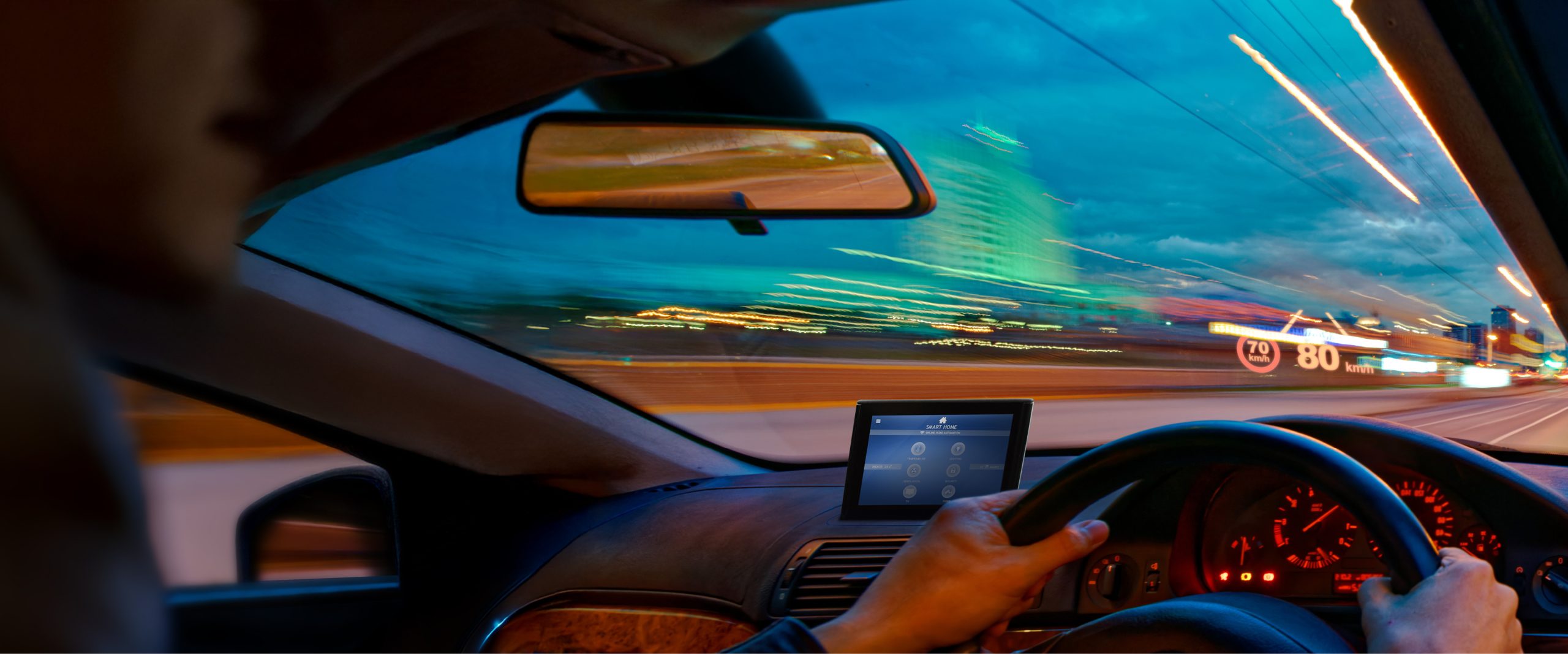
ADAS (Advanced Driver Assistance Systems) technology plays an important role in modern vehicles, supporting a range of features such as lane-keeping assist, autonomous emergency braking, adaptive cruise control, and forward collision warnings. Many of these systems rely on cameras mounted to, or viewing through, the windscreen. After a windscreen replacement, recalibration may be required to help ensure these systems continue operating as intended by the vehicle manufacturer.
At O’Brien®, this is something we specialise in. Here’s what you need to know.
What Is ADAS (Advanced Driver Assistance Systems)?
Advanced Driver Assistance Systems (ADAS) are designed to assist drivers by helping them identify and respond to potential hazards on the road. Using a combination of cameras, sensors, radars, and onboard computers, ADAS supports driver awareness and vehicle functionality.
Common ADAS features include:
- Lane keeping assist
- Forward collision warning
- Adaptive cruise control
- Autonomous emergency braking
- Blind spot detection
- Active parking assistance
- Traffic sign recognition
- Rear cross-traffic alert
These systems depend on accurate camera alignment to function as intended.
What Is ADAS Recalibration?
ADAS recalibration is the process of realigning your vehicle’s forward-facing camera and related sensors after a windscreen replacement. This helps ensure the systems that rely on the camera continue operating as intended by the vehicle manufacturer.
Recalibration may be required because:
- The camera is removed and refitted during a windscreen replacement
- Even a small change in camera position can affect system accuracy
- ADAS features rely on precise camera alignment
Depending on your vehicle, recalibration may involve static calibration, dynamic calibration, or a combination of both. At O'Brien®, our Cal-Tech® Recalibration service focuses on the forward-facing camera(s) that support your vehicle’s ADAS technology.
Why Is Recalibration Important?
When the windscreen is replaced, the camera attached to or viewing through the glass can be disturbed during the fitting process.
If recalibration is required but not completed, the forward-facing camera may not be aligned according to manufacturer specifications, which may affect the operation of ADAS features such as:
- Lane keeping assist
- Forward collision warnings
- Adaptive cruise control
- Autonomous emergency braking
That’s why recalibration is often recommended after a windscreen replacement on ADAS-equipped vehicles.
Choose a Vehicle Glass Expert That Supports ADAS Recalibration
Choosing a provider like O’Brien® ensures access to:
- Specialist calibration equipment – unique to O’Brien®, our Cal-Tech® ADAS Recalibration service uses state-of-the-art technology.
- Technicians trained in ADAS-equipped vehicles who regularly undertake quality technical training programmes to ensure your recalibration is completed correctly
- Accurate recalibration processes designed to support manufacturer procedures
The Bottom Line
If your vehicle is equipped with ADAS, replacing the windscreen is only part of the job.
ADAS recalibration helps ensure the cameras and sensors that support your vehicle’s safety systems continue to operate as intended by the vehicle manufacturer. At O'Brien®, our Cal-Tech® Recalibration service is designed to support correct camera alignment following windscreen replacement.